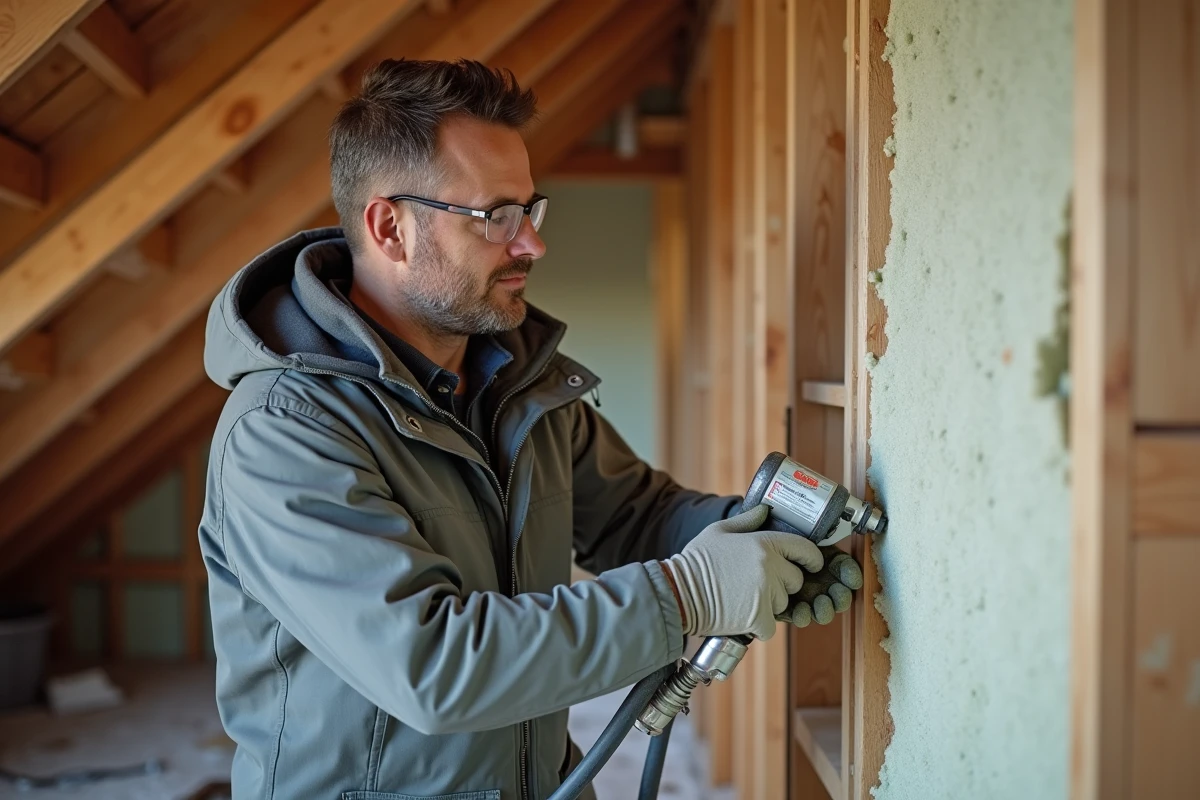
The energy renovation of a home is not just about changing a boiler or installing a roll of fiberglass insulation in the attic. Public aid programs, with MaPrimeRénov’ at the forefront, now guide homeowners towards coordinated work pathways rather than isolated actions. This evolution changes how to plan a project, the priorities to set, and the budget to allocate.
Guided energy renovation: audit and structured work pathways
Since 2024-2025, renovation aid has increasingly been conditioned on structured support. A prior energy audit becomes the starting point of the pathway: it identifies the actual heat losses of the building and prioritizes interventions by order of impact.
This shift towards guided renovations rather than opportunistic ones changes the game. Where a homeowner could previously replace their windows and receive a grant without a coherent overall plan, the MaPrimeRénov’ program now favors bundles of work validated by a certified France Rénov’ advisor.
Specialized actors in housing renovation support this transition, as can be seen on https://www.3ehabitat.fr/, where the logic of a global pathway is at the center of the approach offered to homeowners.
Insulation, heating, ventilation: comparison of renovation work categories
Not all energy renovation categories produce the same effect on comfort and consumption. The table below summarizes the main categories of intervention, their primary impact, and their interaction with other categories.

| Work Category | Main Impact | Interaction with Other Categories |
|---|---|---|
| Attic and roof insulation | Major reduction in thermal losses (the roof is the primary area of loss) | Makes the existing heating system more efficient, reduces oversizing |
| Wall insulation (interior or exterior) | Elimination of cold walls, improvement of comfort in both summer and winter | Often requires ventilation adjustments to avoid humidity problems |
| Replacement of the heating system | Direct reduction in energy consumption | Not cost-effective if the building envelope remains leaky: the new system compensates for losses |
| Installation or upgrading of ventilation (VMC) | Indoor air quality, moisture removal | Essential after enhanced insulation: a sealed home without appropriate ventilation accumulates pollutants and condensation |
| Window replacement | Acoustic comfort, elimination of localized drafts | Limited thermal impact if walls and roof are not treated simultaneously |
The reading of this table highlights a point that structured pathways seek to correct: replacing equipment without addressing the building envelope dilutes the real gain. Insulating the roof and walls is almost always the foundational work to be addressed first.
Summer comfort and overheating: the underestimated angle of renovation
Official recommendations, particularly those from Qualitel and France Rénov’, increasingly emphasize summer comfort. Prolonged heat episodes make poorly insulated homes difficult to inhabit for several weeks each year.
In contrast, a well-insulated home from the outside, equipped with solar protections (shutters, sun shades, vegetation), maintains a significantly more stable indoor temperature without resorting to air conditioning. Insulation acts as a thermal barrier in both directions: it slows down the entry of cold in winter and heat in summer.
Ventilation plays a complementary role. A double-flow VMC, by recovering heat from the outgoing air, contributes to the maintenance of a homogeneous temperature while renewing the air. Without appropriate ventilation, a very airtight home after renovations can accumulate heat and humidity, creating discomfort worse than the initial situation.
- External insulation protects better against overheating than internal insulation, as it prevents the wall from storing solar heat
- Mobile solar protections (roller shutters, external blinds) are more effective than solar control glazing alone
- Nocturnal over-ventilation, facilitated by a well-sized VMC, allows for the evacuation of heat accumulated during the day
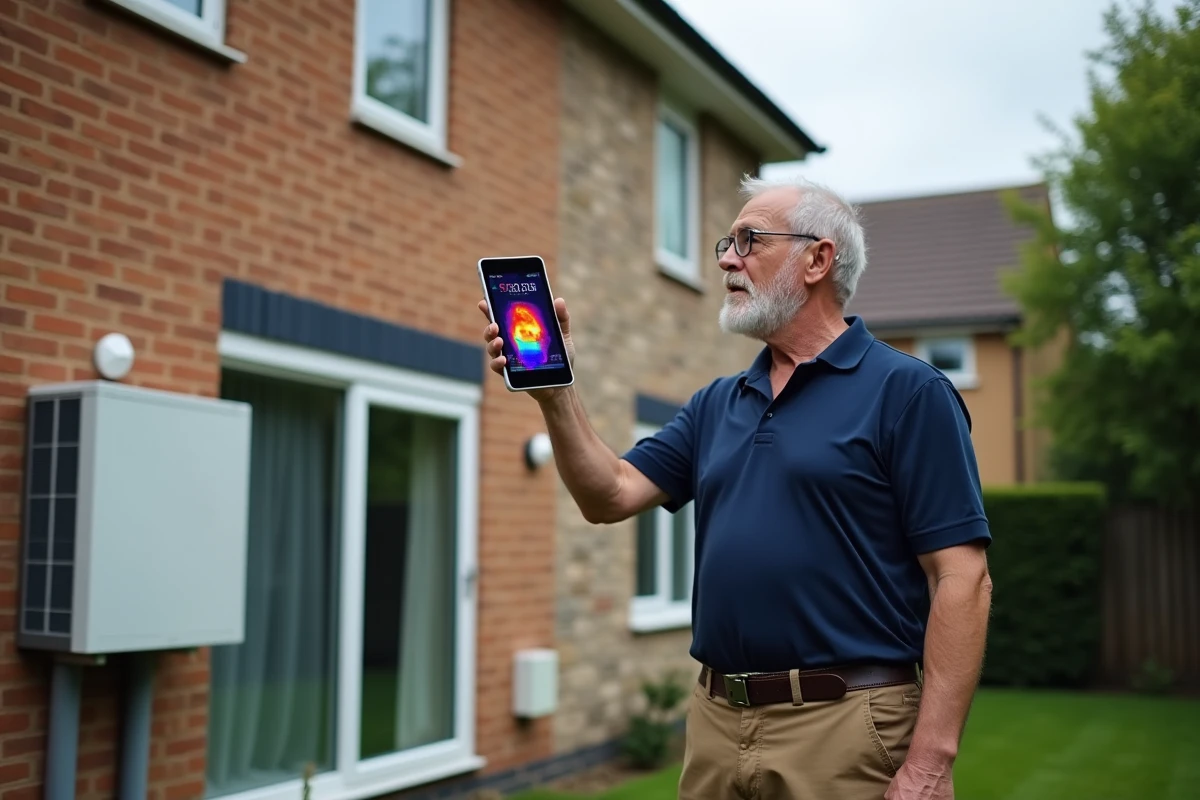
Thermal sieves and rental bans: what is changing for landlord owners
The regulatory framework has tightened further in 2025 for homes classified G in the energy performance diagnosis (DPE). Pressure on landlords is increasing: a property classified G can no longer be subject to a new lease under normal conditions.
This constraint does not only concern landlords. It also weighs on the property’s heritage value. Conversely, a renovated home that moves from an F or G label to a D or C label sees its rental and resale value increase significantly.
For owner-occupiers, the stakes are different but converge towards the same logic: renovating comprehensively costs less than renovating category by category over several years, and financial aids (MaPrimeRénov’, Anah aids, zero-interest eco-loan) are calibrated to encourage this bundled approach.
- The energy audit is now mandatory for the sale of homes classified F or G
- Support from a France Rénov’ advisor is free and allows for the construction of a tailored financing plan
- Aids are higher for comprehensive renovations than for isolated actions, making the remaining costs comparable in many cases
The determining criterion for an energy renovation project remains the coherence between the categories addressed. An efficient heating system in a leaky envelope, or enhanced insulation without appropriate ventilation, produces disappointing results. Structured work pathways, despite their administrative burden, precisely correct this flaw by imposing a global vision from the initial audit.