The spring-summer and autumn-winter 2026 fashion shows have confirmed a shift in the fashion market. Collections are tightening, European and French regulations are more strictly framing textile overproduction, and the destruction of unsold items is subject to increasing restrictions.
In this context, the fashion trends of the season are no longer just a list of colors or cuts. They reflect a change in logic: fewer pieces, more sustainability, and a relationship to style that emphasizes choice over accumulation.
Textile Regulation and Tightened Collections: What Changes for Style
France has strengthened its penalties under the extended producer responsibility (EPR), specifically targeting ultra-fast fashion brands. At the European level, textile rules are expanding to limit the proliferation of references and encourage the reparability of clothing.
For consumers, the consequence is direct: brands are offering fewer fleeting micro-trends. Collections are becoming shorter, with pieces designed to last several seasons. This framework encourages building a wardrobe around a few strong pieces rather than following every new trend.
Brands that refresh their catalogs every two weeks are the first to be affected. In contrast, brands that focus on reworked basics and transformable clothing are thriving. On the Eva Mode website, you can find selections that reflect this shift towards durable and combinable pieces.
Flowy Dress, Wide Pants, and Coordinated Sets: The Cuts That Stand Out This Season
The long flowy dress remains one of the key silhouettes of the season. It plays with bright colors (orange, pink, yellow, olive green, sky blue) and is worn with minimalist accessories.
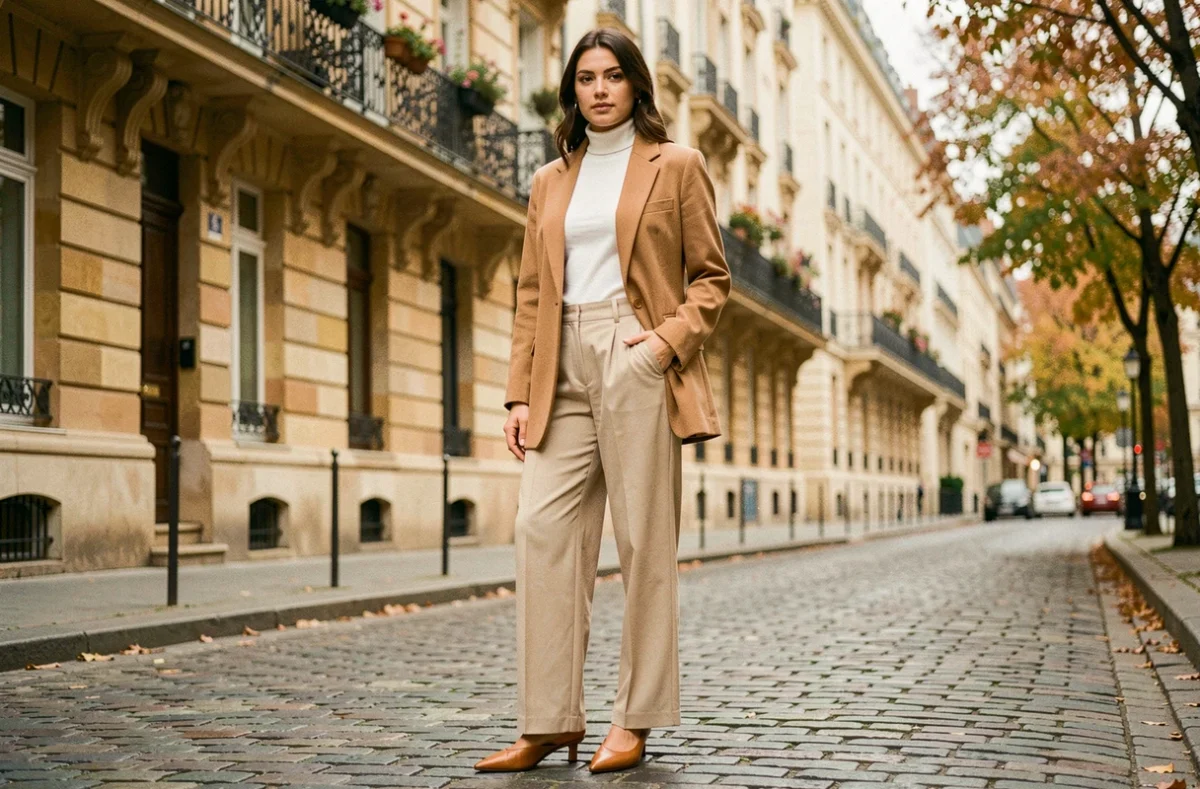
The structured wide pants constitute the second central piece. With a defined waist, ample fall, and sharp cut, it offers a balance between comfort and elegance that explains its presence in the majority of the season’s casual chic collections.
The coordinated set completes the trio. Its appeal lies in its simplicity: a complete outfit without the effort of composition, with a strong visual impact. These three cuts share a common point: they do not need to be replaced from one season to the next.
Autumn-Winter Fashion Colors: Warm Tones and Bright Hues
The palettes of the season oscillate between two registers. On one side, warm tones (camel, rust, chocolate brown) dominate autumn-winter wardrobes. On the other, bright shades inherited from spring-summer, notably butter yellow and intense hues that several houses have retained in their transition collections.
The combination of an intense color with a sober cut is the most accessible stylistic lever this season. Structured wide pants in olive green, a flowy dress in sky blue: color creates uniqueness without multiplying pieces.
Repairability and Second-Hand as Levers for a Unique Style
The WGSN Future Consumer 2028 report identifies a growing consumer profile: one that chooses clothing based on its ability to be altered, transformed, or repaired. This criterion, long confined to ecological discourse, is becoming a factor of stylistic differentiation.
Concretely, this means prioritizing:
- Pieces whose cut allows for alterations (hems, adjustable waistbands, modular sleeves) without distorting the garment
- Fabrics that can withstand dyeing or over-dyeing to renew a piece from one season to the next
- Garments with visible finishes (exposed seams, interchangeable buttons) that become elements of personalization
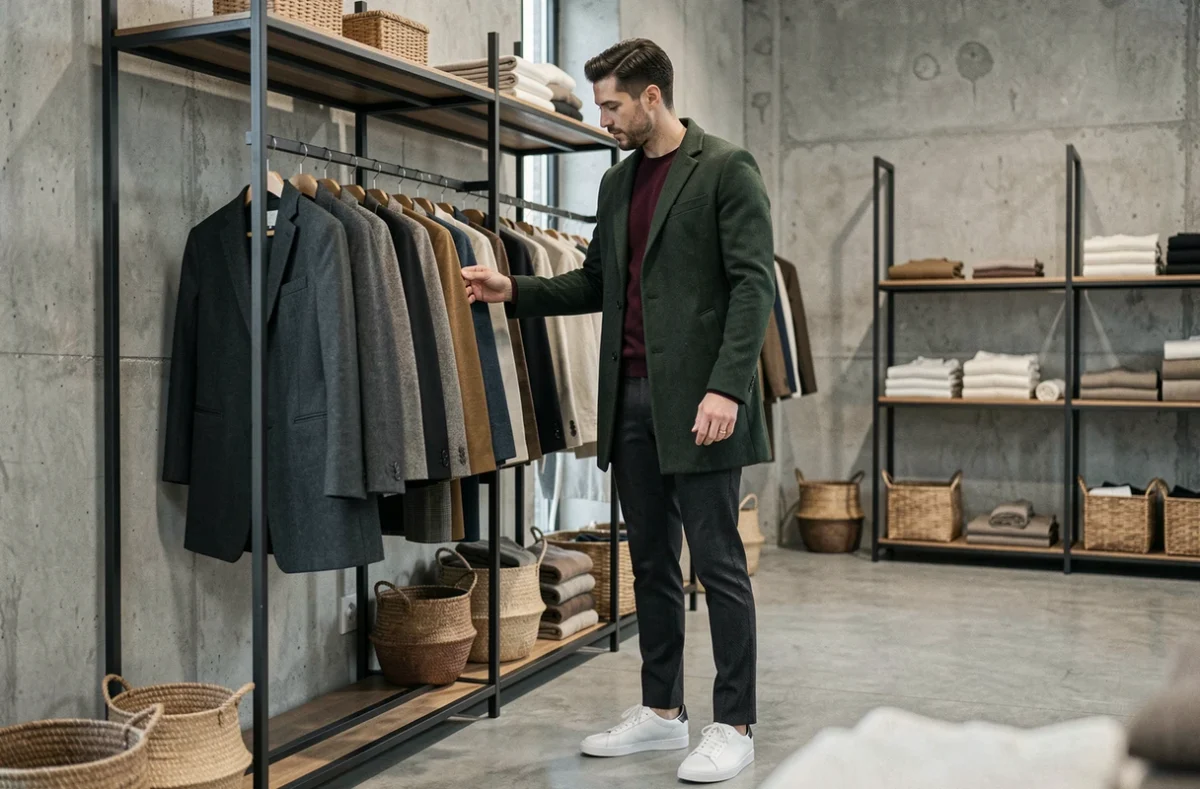
Repair becomes a style criterion, not just an ecological argument. A blazer with changed buttons, pants that are tailored: these actions extend the life of the garment while creating a look that belongs only to the wearer.
Second-Hand and Vintage: A Regulatory and Stylistic Advantage
Second-hand benefits from a favorable context. New French penalties targeting fast fashion increase the cost of new, rapidly rotating clothing, making second-hand pieces comparatively more accessible. From a style perspective, a look built from vintage pieces inherently escapes seasonal uniformities.
Field reports vary on this point: some second-hand shoppers seek branded pieces at reduced prices, while others find cuts and patterns that are unavailable in current collections. Both approaches lead to the same result: a wardrobe that no one else possesses in the same way.
Accessories and Expressive Pieces: The Fashion Trend That Replaces Accumulation
As collections shrink in volume, accessories take on a disproportionate role in constructing a style. The 2026 season confirms this shift with the rise of brooches, bold details, and so-called “statement” pieces (marked volume, unusual texture, strong pattern).
The voluminous or textured skirt exemplifies this logic well. A single expressive piece is enough to anchor an outfit in the season, with the rest of the look remaining understated. This is the opposite of the approach that involves renewing the entire wardrobe.
- A brooch or collar jewelry transforms a basic into a character piece
- A structured bag in a bright color serves as a visual signature
- Shoes with unique details (buckle, texture, shape) replace a classic pair without multiplying purchases
Focusing on one or two strong accessories rather than five trendy garments summarizes the economic and stylistic logic of the season. Expressive pieces allow for the evolution of a stable wardrobe without replacing it.
This season marks a turning point in how fashion trends are approached. The regulatory framework, the rise of second-hand, and the tightening of collections push towards a style based on selection and personalization. The pieces that matter are those we keep, alter, and combine differently from month to month.