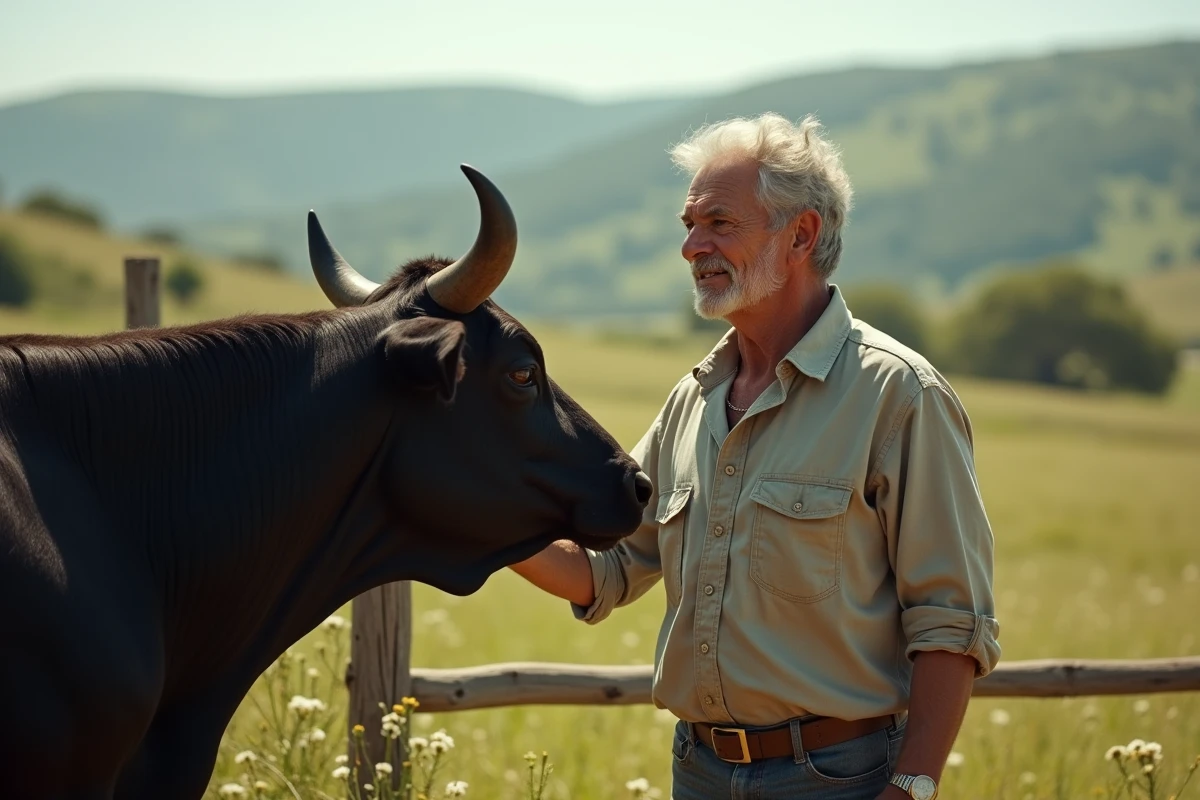
One hundred bulls, one single escape route: the harsh rule imposes itself from the very first moments of the bullfight. Behind the splendor, the solemnity, the hope for salvation remains an anomaly, not the norm. In Spain, a toro de lidia can escape death during a bullfight thanks to a presidential pardon, a decision reserved for exceptional cases where the animal has demonstrated remarkable qualities. This practice, although codified, leaves significant room for interpretation by organizers and bullfighting authorities.
However, most bulls destined for the arena know only one fate, regardless of their performance. Only a tiny proportion are granted a reprieve, becoming breeders in specialized farms. Their descendants perpetuate a prized lineage, valued by the elite of ganaderías.
Between tradition and controversy: the fate of the bull in the bullfight
In the arena, every second counts. The corrida is not just a duel: it orchestrates a ritual where the bull, sometimes elevated to the status of a myth, embodies both nobility and fate. In Bayonne as in Madrid, the arenas are packed, the audience oscillating between sincere admiration and palpable discomfort. This spectacle, carved in tradition, deeply divides. Supporters of tauromachie see it as an art inherited, woven into local history. Opponents, on the other hand, relentlessly denounce the suffering inflicted on the animal, rejecting any aesthetics of blood.
On the sand, the toreros face the toro, a symbol of courage without return. For almost all the beasts, leaving the arena means the end. But a rare occurrence sometimes upends the rule: the bull pardoned during a bullfight. This moment, torn from routine by the exceptional bravery of the animal and popular fervor, offers the toro a second existence, far from the corridas. Becoming a breeder, it infuses its legacy into the next generation, prolonging the memory of an extraordinary confrontation.
Yet, these episodes remain extremely rare. The rule itself does not waver: the fate of the bull, between fascination and rejection, raises the question of society’s relationship with ritual violence, tradition, and live performance. Debates persist, positions clash, and the arena remains a place of all contradictions.
The grace of the toro: a rare ritual, bearer of symbols and hope
On the sand, the grace of a toro emerges as an unexpected event. In the face of the animal’s bravery, the audience holds its breath, the tension reaches its peak, the torero freezes. Everything is decided in a few moments: the fight shifts, the expected death gives way to a new life, a sign of a rare respect between man and animal.
In historically significant places like the maestranza of Seville or other iconic arenas, the request for grace is made according to a very specific code: the crowd manifests, the president arbitrates, the behavior of the toro makes the decision. Strength, nobility, combativeness: only exceptional beasts gain this privilege. This decision is a collective act, a sort of tacit pact sealed among all the actors of tauromachie.
The pardoned toro leaves the ring to applause, haloed with an almost legendary reputation. Its fate transforms, far from the spotlight, into a breeder for the most demanding farms. This unique journey fuels stories and memories, reviving the idea that an escape from sacrifice remains possible, even in a universe where the rule imposes death. By its rarity, grace concentrates all paradoxes but also reveals the audience’s ability to grant, for a moment of resurgence, a different outcome to the spectacle.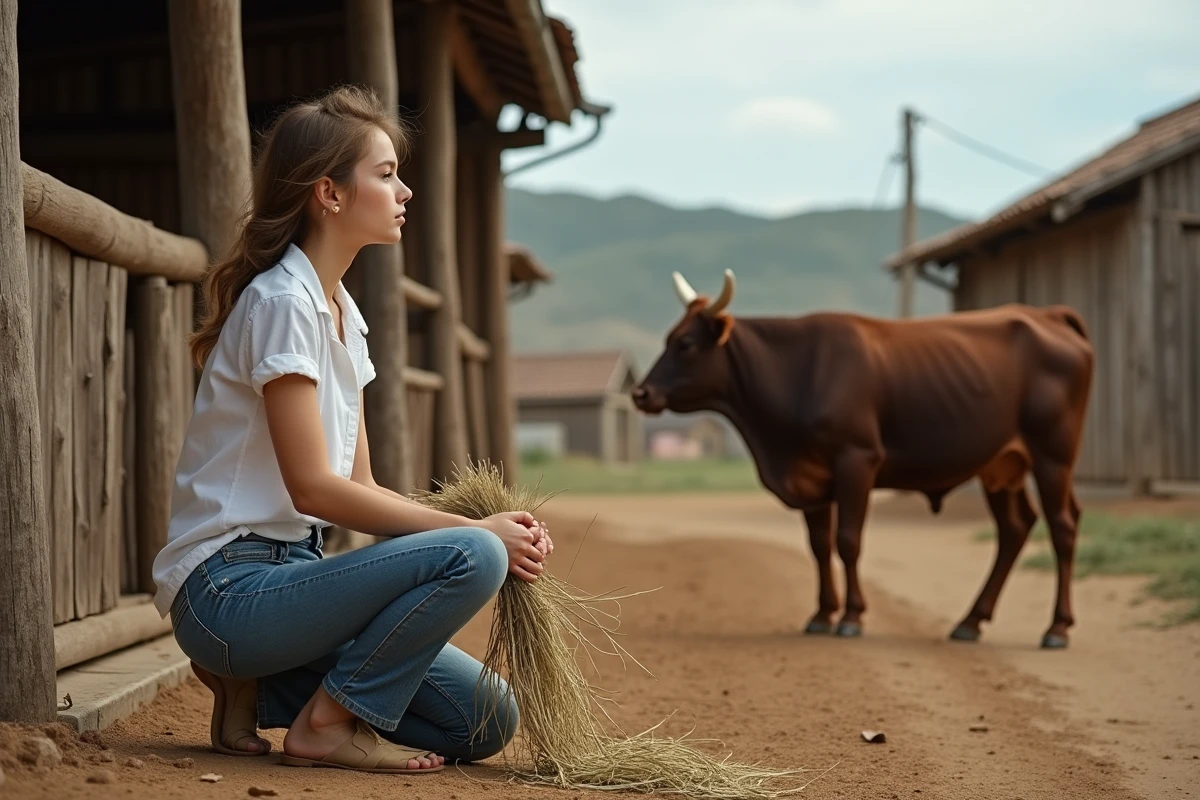
What happens to the bulls after the arena? Journeys, legends, and realities
For the bull, a pillar of the corrida, leaving alive remains the exception. Most often, the arena seals the tragic fate of the animal. The life of the toro in the arena only continues if grace is granted to it. The majority sees its fate determined as soon as it steps onto the sand, under the gaze of the audience and the torero.
Over the years, the ritual has shaped a collective imagination. The bull that falls is sometimes attributed a form of grandeur, even posthumous bravery. In many farms, the remains of sacrificed animals return to the earth, perpetuating a rural memory sometimes tinged with legend. The names of remarkable toros traverse generations, nourishing stories, chronicles, and conversations from finca to finca.
However, reality imposes itself: outside the very limited framework of grace, few bulls escape the rule of the spectacle. The few survivors then embark on a separate journey: as breeders, they become the pride of certain farms, bearers of a sought-after lineage. The others, more discreetly, integrate into the agricultural cycle and rural life.
Here are the two main paths that await bulls after the arena:
- The vast majority meet a tragic end but are inscribed in collective memory.
- A few chosen ones, rare, gain access to reproduction and a legendary status.
The life after the corrida constantly oscillates between narrative and reality, between what is passed on and what remains, far from the cheers, in the silence of the pastures. The dust settles, but the question of the bull’s fate never fades away.