
A colleague changes their printer, installs their usual compatible cartridges, and the screen displays “unrecognized consumable.” The equipment is new, the firmware is too, and the third-party cartridge that worked on the old model is now blocked. This scenario occurs regularly since some manufacturers lock their machines through software updates. Choosing a printer that accepts compatible cartridges is not a matter of chance: it is a technical decision made before purchase.
Firmware and cartridge chip: the lock to identify before purchase
The first reflex when looking for a printer open to third-party cartridges is to understand how the locking mechanism works. Most manufacturers integrate an electronic chip into each cartridge. This chip communicates with the printer’s firmware to authenticate the consumable.
The problem arises from firmware updates that change the authentication rules. A printer purchased as compatible today may cease to be so after an automatic update. The Bundeskartellamt, the German competition authority, has launched enhanced monitoring of this type of practice since 2022 following massive consumer reports. The pressure has led at least one major manufacturer to announce that it would allow reverting to a previous version of the firmware.
From this, we can derive a purchasing rule: before choosing a model, check if the manufacturer offers the deactivation of automatic firmware updates. On some ranges, this option exists in the network settings or via the mobile app. On others, the update triggers without request and without the possibility of going back.
To delve into the question of brands that allow the most latitude, a detailed comparison can be found among compatible printers on Big News, which reviews the policies of each manufacturer.
Canon, Epson, HP, Brother: real tolerance for third-party cartridges
Not all brands treat third-party consumables the same way. In practice, tolerance varies by range, model, and year of manufacture.
Canon: the most flexible reputation
Canon is often mentioned in forums as the manufacturer least aggressive against compatible cartridges. The PIXMA range, in particular, receives regularly positive feedback regarding the acceptance of third-party consumables. A warning message may appear (“unrecognized cartridge”), but printing generally starts after manual confirmation.
Feedback varies on this point according to recent models, and it is wise to check user forums for a specific model before purchase.
Epson: recurring software blocks
Epson regularly updates the internal software of its printers, making the use of third-party cartridges unpredictable over time. Users report that functional compatible cartridges stop being recognized overnight after an update. Disabling automatic updates becomes almost mandatory if one wants to use third-party consumables on an Epson.
HP: subscription model as an alternative
HP has developed a dynamic cartridge protection system across a large part of its inkjet range. Cartridges without HP chips are rejected by default. HP also offers subscription plans (Instant Ink) where the cost per page becomes competitive, but users remain locked into the manufacturer’s ecosystem.
Brother: the case of laser printers
In the laser segment, Brother offers more stable compatibility with generic toners. Brother laser printers generally accept compatible toners without firmware blocking, making them a reliable choice for office use with third-party consumables.
Concrete criteria for selecting a printer open to compatibles
Beyond the brand, certain technical criteria help minimize risks. Here are the points to systematically check:
- The possibility to disable automatic firmware updates in the printer settings or via the dedicated app
- The type of chip used by the cartridges of the targeted model: simple contact chips are easier for third-party manufacturers to reproduce than encrypted communication chips
- The age of the model on the market: a printer marketed for more than a year generally has a proven ecosystem of compatible cartridges
- User feedback on specialized forums for the exact model (not just the range)
A recent model with a new proprietary chip may not have any compatible cartridges available for several months after its release. Buying a model mid-commercial cycle reduces this risk.
Inkjet or laser: impact on consumable compatibility
The choice between inkjet and laser directly influences the ease of access to third-party consumables. Laser printers more often accept compatible toners without software restrictions. The reason is technical: laser toners use less sophisticated chips, and manufacturers invest less in locking this segment.
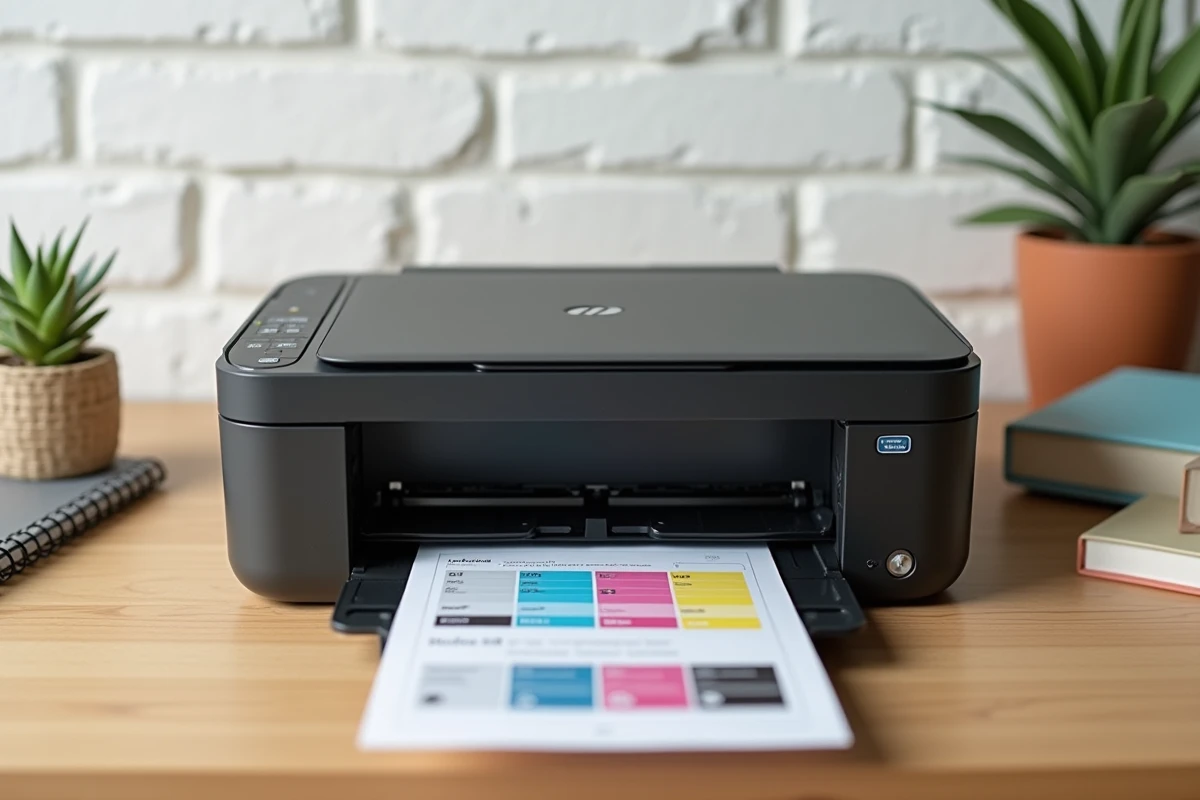
In inkjet, the chip wars are more intense. Inkjet cartridges represent a significant portion of manufacturers’ revenue, which explains the measures taken to protect this market. If the priority is to print at a lower cost with alternative consumables and without hassle, a monochrome Brother or Canon laser remains the safest choice.
For those who need color and inkjet (photo printing, marketing documents), Canon offers the best current compromise between print quality and openness to third-party cartridges.
The European Commission has been working since 2023 on a revision of the Ecodesign directive that could prohibit manufacturers from automatically blocking remanufactured or refilled cartridges that comply with safety standards. If this measure comes to fruition, the landscape will change profoundly. In the meantime, choosing a printer compatible with third-party cartridges remains a matter of technical vigilance, model by model.