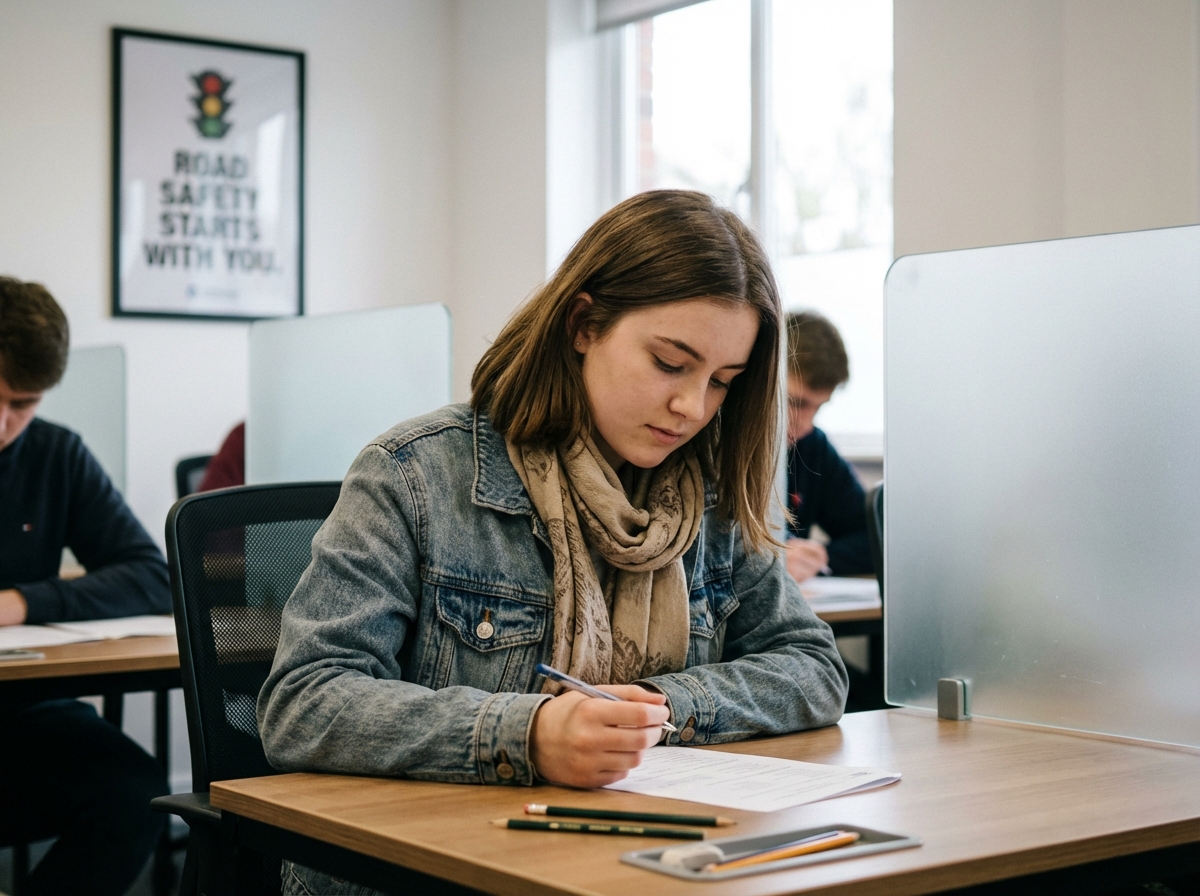
A raw figure to start: every year in Belgium, nearly 100,000 candidates attempt to obtain their driving license. At 17, one can already tackle the theoretical exam, but practical driving will wait until the 18th birthday. Between learning pathways, support, training sessions, and imposed deadlines, the journey resembles an obstacle course, where each misstep can lengthen the path. Failing the practical exam? Depending on the number of failures, additional training hours may be required, and the rules vary from region to region.
Even before getting behind the wheel, one must deal with delays between obtaining the provisional license and accessing the final exam. Administrative file, access conditions, fees: each municipality has its own rules, and the chosen pathway, whether free learning or driving school, changes the course to follow.
Understanding the process to obtain a driving license in Belgium
Obtaining a driving license Belgium is not just a formality. At 17, it is possible to enter the arena of the theoretical exam, the key that opens the door to learning. The stakes leave no room for approximation: the highway code, signs, priorities, everything must be mastered. Succeeding means obtaining the precious certificate, mandatory to move on to the next phase.
The choice of pathway, whether free learning or an accredited driving school, will then dictate the entire preparation. In the free pathway, a guide, often a parent or relative, accompanies the candidate, while in a driving school, a professional instructor takes over. Every driving session counts: this is where reflexes, anticipation, and management of unforeseen situations are learned. Some municipalities require a complete file from the communal administration: identity card, training certificate, and sometimes even a medical certificate.
The provisional license is only valid for a limited time. If the deadline is exceeded without passing the practical exam, it may be necessary to restart certain procedures. After several failures, authorities may require a psychotechnical test for the license: a check that goes well beyond pure technique, assessing driving aptitude in all its dimensions.
Ultimately, each candidate progresses through a series of step licenses: theory, practice, administrative formalities, and sometimes additional tests. This structured pathway has a clear objective: to prepare drivers ready to face the reality of the road, for their safety and that of others.
What are the key steps, from the theoretical exam to practical driving?
The first milestone towards the driving license Belgium is the theoretical exam. This test assesses knowledge of the code, understanding of signals, priorities, and the ability to adopt the expected behavior behind the wheel. The questions are precise, sometimes surprising. Succeeding means obtaining the document that allows one to start driving on the road.
Next, one must choose their pathway. Some turn to free learning, with an experienced guide by their side. Others prefer the accredited driving school, which requires practical course hours under the expert eye of an instructor. In both cases, the road becomes an open-air classroom: each journey refines vehicle control and the ability to handle unforeseen events.
Before the practical exam, organized at a testing center, all necessary documents must be gathered. Here are the documents that may be required:
- A valid identity card
- A certificate attesting to practical learning
- For some candidates, a certificate of success in the risk perception test
At this stage, every detail matters. Preparation is not limited to driving: it also involves adhering to the schedule, meeting the expectations of the communal administration, and presenting a complete file. The Belgian system thus shapes drivers trained in rigor and responsibility, ready to face the density of traffic and the demands of the road.
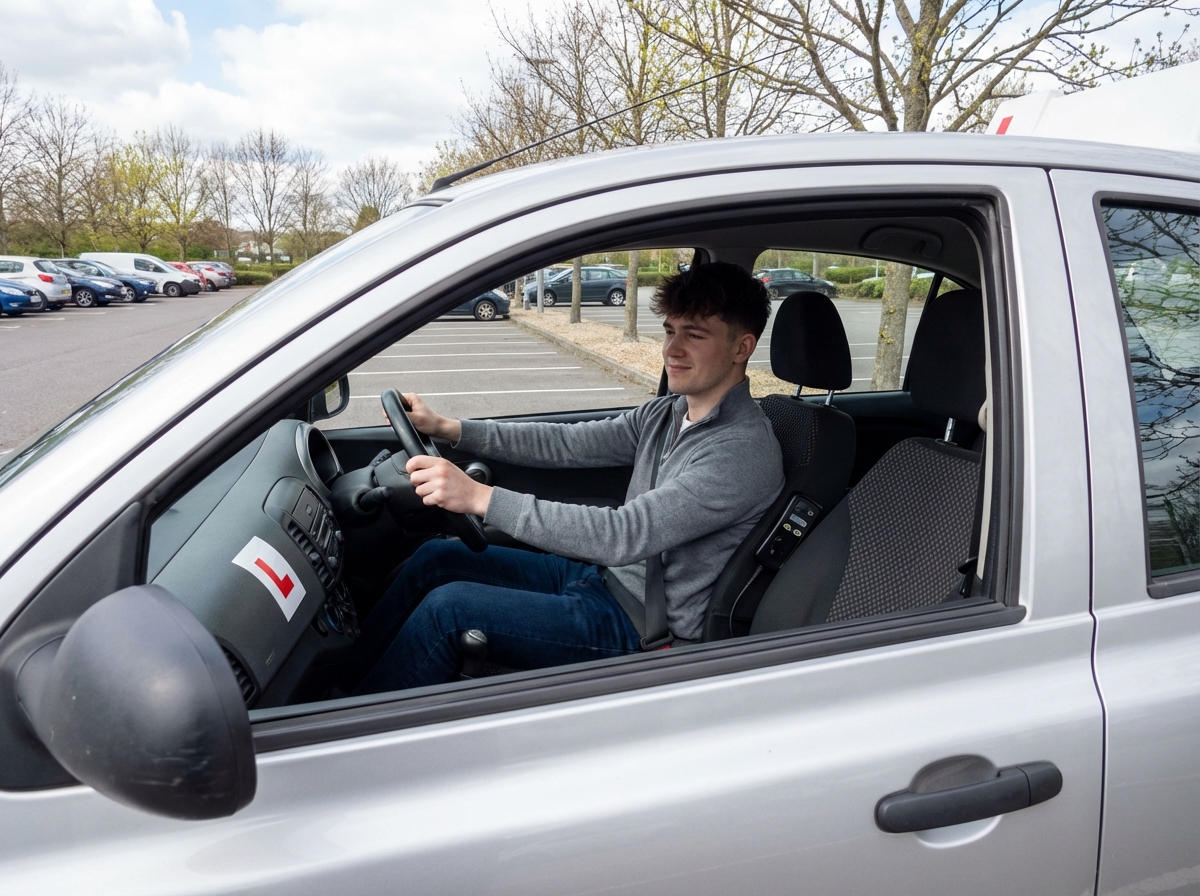
Resources, advice, and support: succeeding in obtaining your license with the right partners
To obtain the driving license Belgium, surrounding oneself with the right allies makes all the difference. Behind every success, there is a team: the accredited driving school offers a pedagogical training tailored to each profile, alternating intensive courses and individual learning time. These driving courses boost confidence behind the wheel and allow progress on sensitive points, in a structured environment.
Choosing a suitable driving school means betting on the experience of an instructor who knows how to correct, motivate, and reassure. Support does not stop at learning maneuvers: it includes stress management, route analysis, and the ability to anticipate unforeseen events. The goal? To master the technique, but also the real environment of traffic.
To progress calmly, it is advisable to:
- Check the validity of all documents, from the practical training certificate to the training log
- Anticipate car insurance arrangements to avoid any administrative blockages during the accompanied driving period
- Inquire about adaptation solutions for candidates with specific physical disabilities or conditions
The support for the learner driver does not stop at the threshold of the exam. Constant dialogue with the trainer, access to proven educational tools, and personalized follow-up: these ingredients provide the best chances of passing each stage of the license. Taking the wheel in Belgium means committing to a marked road… but the destination belongs to each driver.