
At the heart of the French economy, luxury dynasties embody an invaluable cultural and artisanal heritage. These historic houses, often over a century old, have been passed down from generation to generation, not only their financial empires but also a legacy rich in passion and exceptional craftsmanship. From Chanel to Hermès, through Louis Vuitton, these illustrious names shine internationally and are synonymous with excellence and refinement. The sustainability of their success rests on a subtle alchemy between tradition and innovation, where each creation is the result of a meticulously preserved and continually reinvented artisanal expertise.
The French Luxury Dynasties: Heritage and Sustainability
In the vein of a history that often extends well beyond the 17th and 18th centuries, the French luxury dynasties have managed to sustain their influence and economic power through the ages. The Arnault family, at the helm of the LVMH conglomerate, is the most striking contemporary example, with Bernard Arnault and his son embodying this transmission of passion and excellence. Their brands, from Louis Vuitton to Dom Pérignon, do not merely thrive in France; they actively contribute to the image of France in the global luxury market, which is worth several hundred billion euros.
French luxury companies, based in Paris or scattered across regions as diverse as Bordeaux or Alsace, are the guardians of ancestral knowledge. Hermès and the Saint-Louis Crystalworks are just a few witnesses to a heritage where art and creation are nourished by an originality and rarity that enhance the reputation of made in France. The French conception of luxury is this ability to combine beauty and utility, to marry history and innovation, to blend respect for craftsmanship with a keen sense of modernity.
Beyond the fashion and accessories industry, the luxury food sector also contributes to forging this reputation for excellence. From Michelin-starred restaurants to luxury food brands, and including prestigious spirits, this segment illustrates how gastronomy and local products are intrinsically linked to national identity. This dimension, according to figures such as Yann Kerlau, former Deputy CEO of the Gucci Group and passionate history writer, reinforces the role of the luxury industry as a cultural and economic ambassador for France.
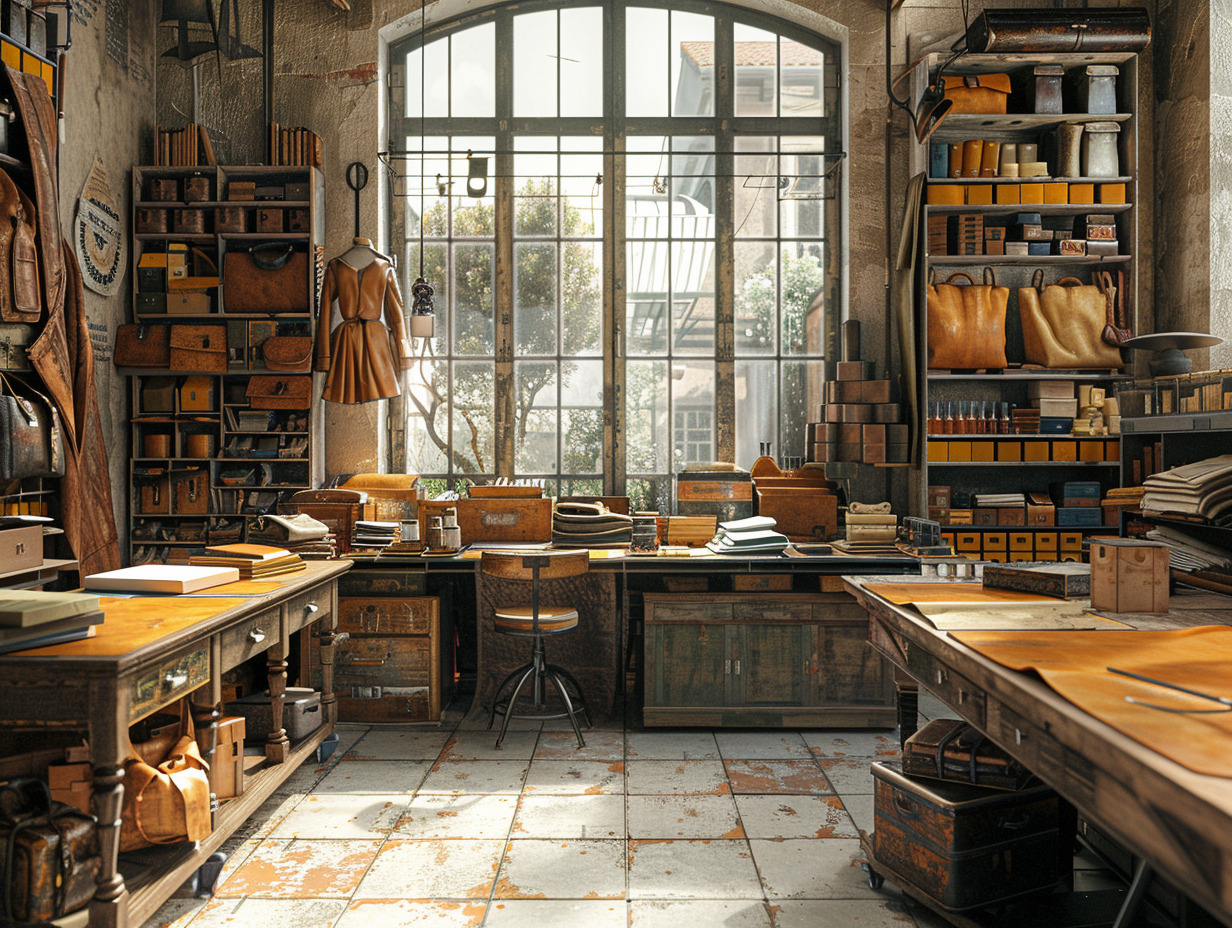
The Transmission of Know-How: Between Tradition and Innovation
In the wake of current debates on luxury, the question of transmitting know-how proves fundamental. Prestige brands negotiate a delicate turn: how to preserve the essence of tradition while embracing the innovation necessary for their evolution? The answers lie in the creation of products embodying the ‘luxury of simplicity’ and ’emotional luxury’, concepts that prioritize authenticity and consumer experience.
The etymology of the word luxury, derived from the Latin “luxus,” which evokes excess and debauchery, seems today to be outdated. The philosophy of the Enlightenment brought about a first semantic shift, opposing superfluous to necessary, laying the groundwork for reflection on the utility and social role of luxury. The current consumer society, on the other hand, is often criticized for its inequitable nature and its differentiation through the manufacture of rarity.
Concepts of luxury oscillate between the classic vision, attached to material opulence, and the modern vision, more concerned with immaterial values and unique experiences. This duality is reflected in the geography of luxury, where consumption areas are primarily distributed between Europe, North America, and Asia, revealing disparities in wealth and varied cultural approaches to luxury.
The products of French luxury food, with their range from French haute cuisine to luxury food brands and luxury beverages, testify to a successful adaptation of ancestral know-how to contemporary expectations. They perfectly illustrate the balance between preserving traditional techniques and integrating innovations that meet a constantly evolving global demand.